Simulate and optimize energy hubs
Analyze and optimize complex energy hubs with multiple assets, storage and smart control. From multi-tenant buildings to industrial energy systems.
Independent analyses
Vendor-neutral simulations without ties to specific EMS systems, aggregators or asset suppliers.
- Objective comparisons
- No vendor lock-in
- Transparent calculations
Multi-asset integration
Combine solar panels, batteries, charging stations and flexible power in one integrated system.
- Solar energy optimization
- Battery and storage control
- EV charging infrastructure
Grid connection optimization
Maximize the use of your available grid capacity and prevent costly upgrades.
- Peak shaving strategies
- Import/export management
- Congestion analysis
How to simulate an energy hub in Wattix
An energy hub combines consumption, generation, storage and EV charging behind one grid connection. Whether it fits depends on how those assets affect each other every quarter hour. Wattix simulates them together, with one optimisation of the dispatch over the whole period, and shows whether import and export stay within the limits of the connection.
- What you put in
- The grid connection with its import and export limits, and behind it as many consumers, solar installations, batteries, charge points and generators as needed. Each asset gets its own profile or settings, from meter data, the Data Studio or the generation profile generator.
- What Wattix calculates
- Wattix works through the energy flows between all assets and the grid in 15-minute steps. Batteries and other controllable assets are dispatched in one optimisation at the lowest cost, within the limits of the connection. So you see the effect of the combination, not of each asset on its own.
- What comes out
- Import and export per quarter hour, the peaks, the number of days with an exceedance, the self-sufficiency and the total costs. By putting scenarios side by side, you see which combination of assets fits within the connection.
Identify potential locations for energy hubs
Analyze available grid capacity and local energy needs
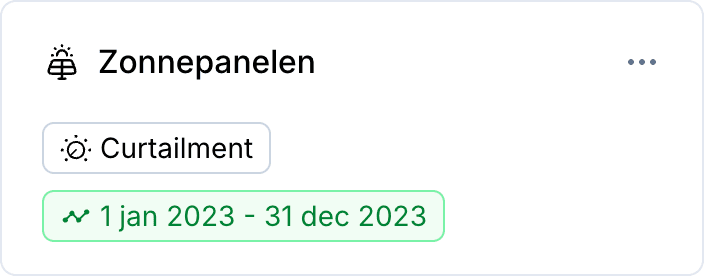
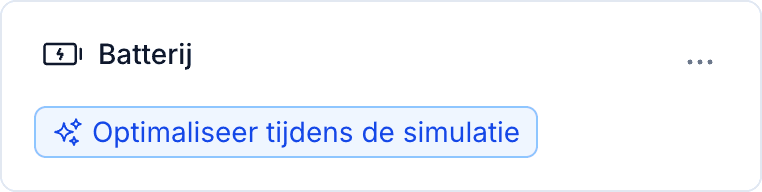
Configure energy hub with different assets
Test combinations of solar energy, batteries and charging infrastructure

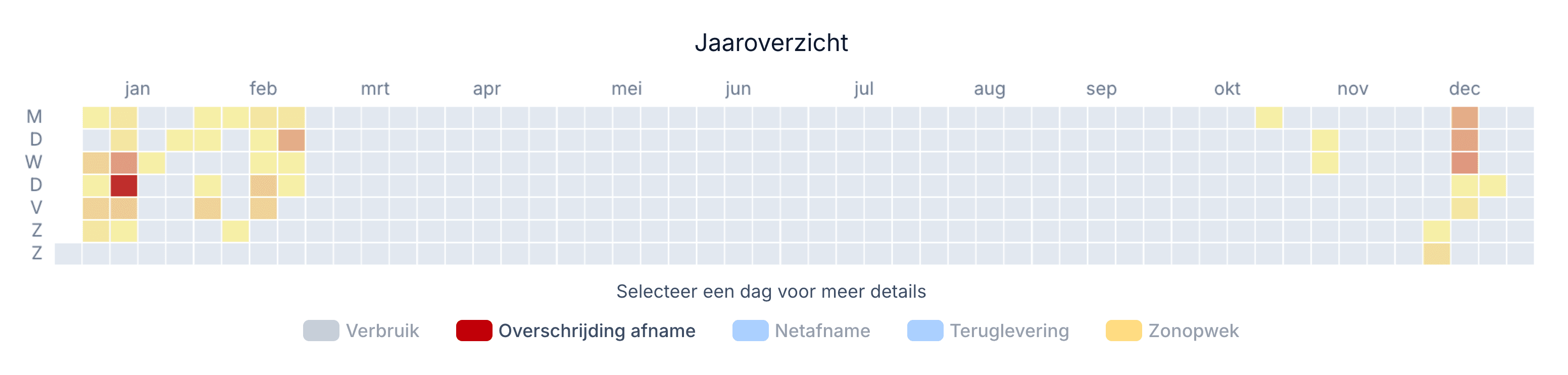
Analyze grid congestion and energy flows
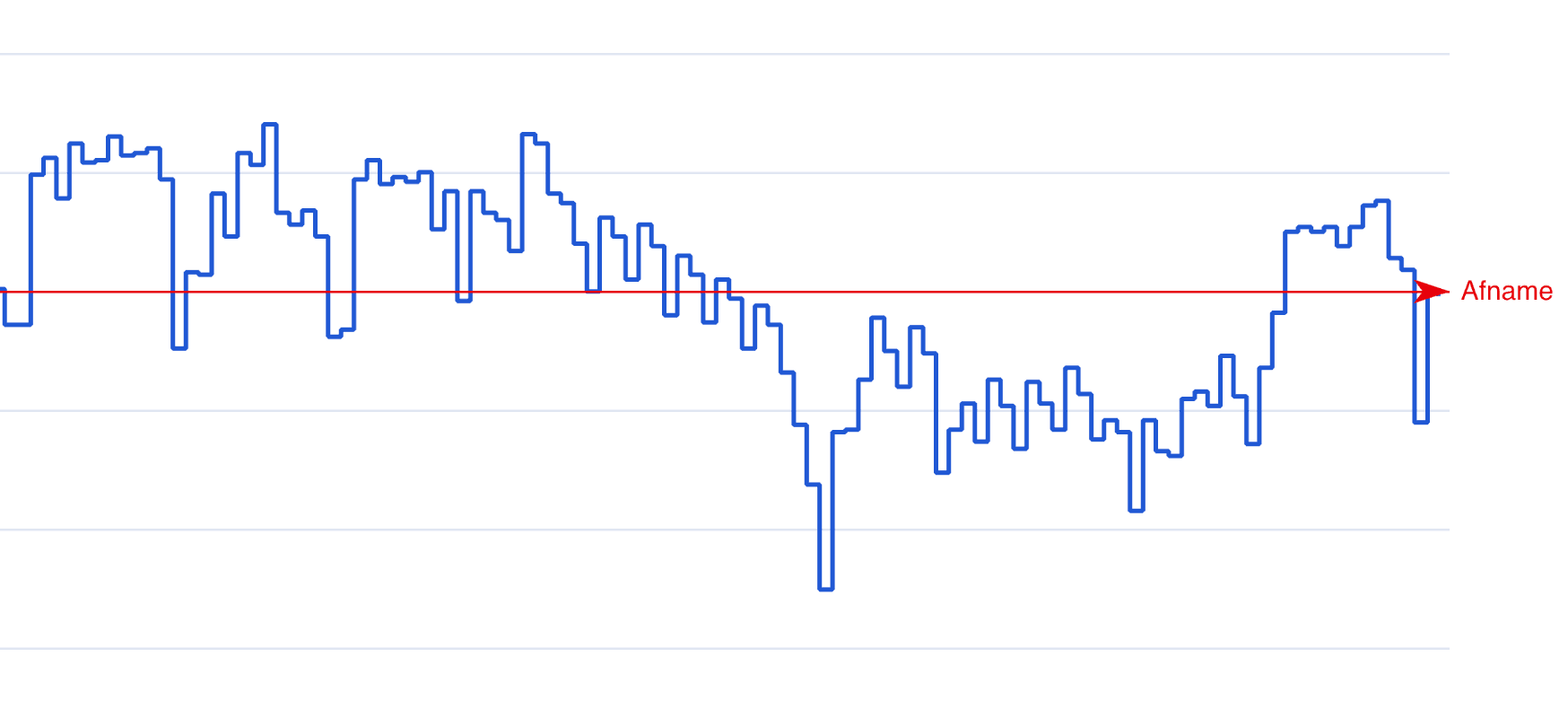
Visualize grid load and identify congestion moments throughout the year
Suitable for diverse energy systems
From office buildings to industrial complexes - analyze every energy hub
Multi-tenant buildings
Distribute energy among tenants with individual meters and shared assets
Industrial sites
Optimize complex production processes with large energy storage
Charging plazas
Combine multiple charging stations with solar energy and buffer batteries
Regional energy planning
Scan potential for energy hubs and make objective location choices for public investments
Why Wattix for energy hub analysis?
Make informed decisions with advanced simulation technology
System-level insights
Understand complex energy flows between assets, storage and the grid. Identify bottlenecks and optimization opportunities in your complete system.
Scenario planning
Compare different configurations side by side. Test 'what-if' scenarios for future expansions or market changes.
Smart control strategies
Simulate advanced control strategies for batteries and flexible power. Optimize for costs, CO2, or grid load.
Grid capacity analysis
Prevent grid limit exceedances and identify when upgrades are needed. Calculate the business case for expansion.

“We don't just create one analysis, but one for each phase of the customer's growth path. That way we're already advising them on what to install now to be significantly cheaper by 2035.”
Frequently asked questions about energy hubs
Is the simulation suitable for energy hubs?
Yes, for a hub behind one grid connection: you combine consumption, solar, batteries, charge points and generators in one simulation. Several connections sharing a group transport agreement are, for now, simulated one connection at a time.
Solar panels, chargers and a battery: when do they work against each other?
When they need room on the connection at the same moment, for example when cars charge while the battery wants to charge too. Because Wattix works through all assets together every quarter hour, you see when that happens and which combination does fit within the connection.
What if the panels generate more than you are allowed to export?
Then the surplus has to go somewhere: into a battery, into consumption shifted to that moment, or it is curtailed. In Wattix you see how much energy exceeds the export limit and simulate what a battery or curtailing the panels does about it.
What does Wattix optimise the dispatch for?
The lowest cost within the limits of the connection, with the prices and tariffs of the contract you choose. The optimisation knows the whole profile in advance, so it gives the best achievable result. An EMS in practice doesn't know the future and rarely reaches that result in full.
Related pages
- Energy hubsCombine solar, batteries, charge points and a generator behind one grid connection.
- EV charging infrastructureCalculate EV charging per quarter hour within the connection, and see what smart charging or storage unlocks.
- Wattix for local governmentsBack up decisions on energy hubs and grid impact with independent analyses.
Discover the potential of an energy hub
Analyze the possibilities of an energy hub in an accessible and independent way.
Schedule a demo